ACL tears in hurdlers are rarely random
At Ortho-One we began to notice a pattern while managing athletes with knee injuries. Young hurdlers who were preparing for national events were coming in with anterior cruciate ligament (ACL) tears. One was a 17-year-old boy who got injured while training. Another was a 21-year-old woman competing at a higher level.
Their stories were similar. They got injured during routine training, while taking off to clear a hurdle or landing after one. The more we examined their movement, training history and biomechanics, the clearer it became. Their ACL injury stemmed from subtle biomechanical errors that build up over time and go unnoticed until the knee fails.
Why are some hurdlers more vulnerable than others?
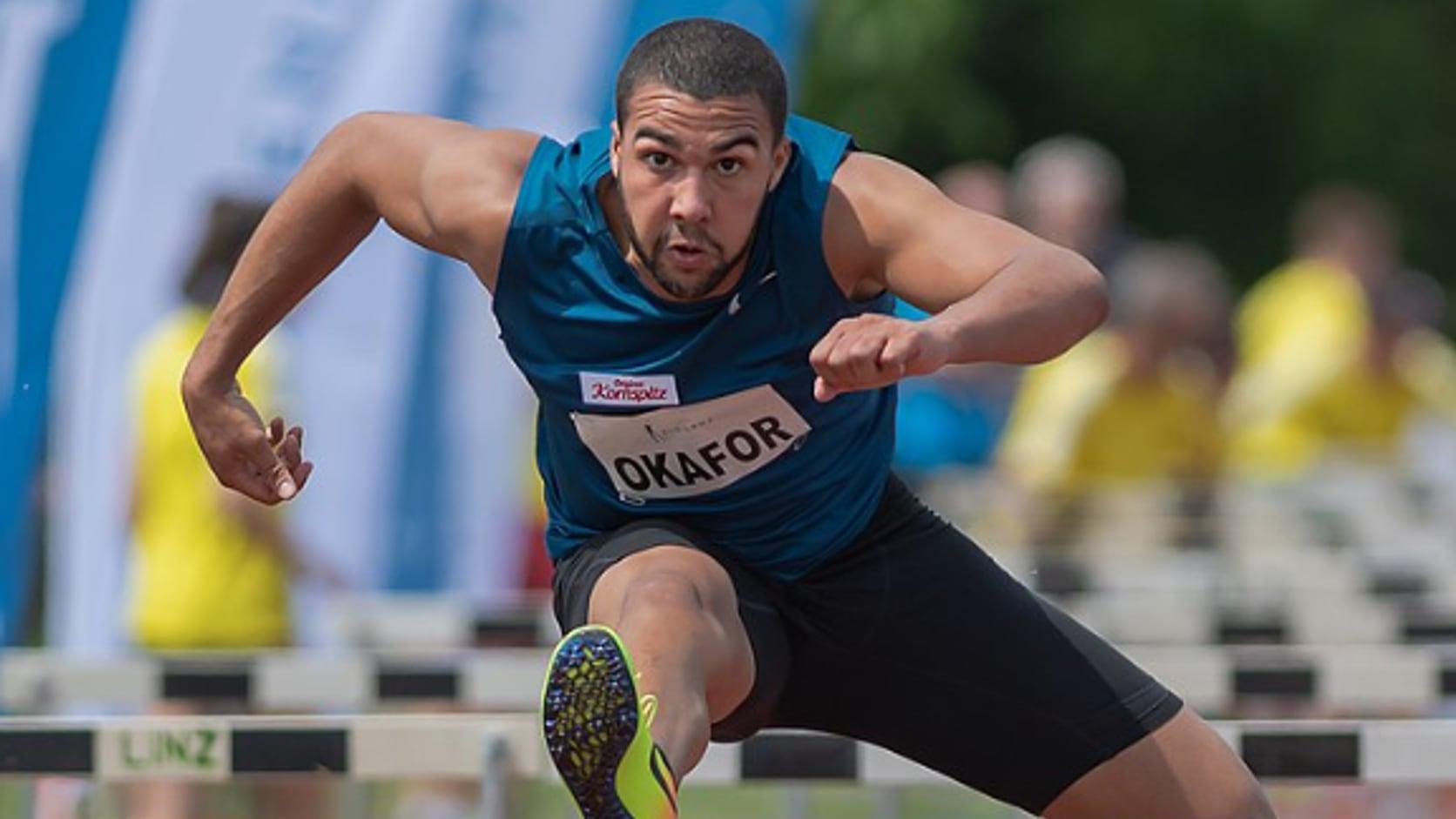
ACL tears are less common in hurdling than ankle sprains, contusions or muscle strains. They are usually non-contact injuries, when they occur. They come from within the movement itself. Hurdling is a repeated cycle of single-leg take-off and single-leg landing at speed which places intense, repeated stress on the knee.
Some athletes are more vulnerable regardless of their training level. Risk factors for the ACL injuries in hurdlers include a low hamstring-to-quadriceps strength ratio, a weak gluteus medius, poor trunk stability and reduced ankle dorsiflexion. A previous ACL injury can predict if another one is likely to happen. In female athletes, a greater Q-angle and hormonal influences add to the risk.
For hurdlers, most ACL injuries happen on landing. Landing near full knee extension, delayed hamstring activation and poor shock absorption push the risk up sharply. In a 400m hurdles race, fatigue lowers neuromuscular control, and small flaws that were manageable at the start become injury risks by the final hurdles.
How to lower the risk
H3: Start with technique.
- Lead leg: Use the knee to drive you forward with your toes up and not outward.
- Trail leg: Be high and fast with the trail leg recovering under the body without a forced whipping action.
- Take-off: The take-off should neither be too close nor too far from the hurdle with a slight knee flexion. A stiff take-off can increase ACL loading.
- Landing: Land on the ball of the foot with controlled heel contact and a slight knee flexion.
- Trunk and pelvis: The trunk and the pelvis need to be upright with a slight forward lean and minimal lateral sway.
- Rhythm over height: Have a rhythmic cadence to your jumps. Athletes who jump too high land with more force.
H3: Screen before symptoms appear. If you are a hurdler, get a screening done before you experience any symptom. Useful screening tests include the single-leg squat, drop jump landing assessment, Y-Balance test, hop tests, the Functional Movement Screen (FMS), and strength testing with isokinetic devices or handheld dynamometry.
Blur the face
H3: Build strength and control
- Hamstrings and glutes: Strengthen hamstrings and glutes with nordic curls, romanian deadlifts, hip thrusts, single-leg squats, lateral band walks.
- Quadriceps: Strengthen the quadriceps with split squats, step-downs and eccentric squats, which build strength without increasing ligament strain.
- Neuromuscular and plyometric work: Strengthen neuromuscular response using deceleration drills, controlled single-leg hops and reactive landing practice.
A meta-analysis in the British Journal of Sports Medicine (2015) pooled 14 trials of injury-prevention training in young female athletes. Programmes that included strengthening, hip and trunk control exercises, or several types of exercise combined cut ACL injuries.
H3: Manage fatigue and load. Use periodised training, gradual hurdle height progression, monitoring of training volume and adequate recovery.
Can a hurdler come back after an ACL tear?
Yes. Most hurdlers can return to competition with proper surgical management and structured rehabilitation. It typically takes 9 to 12 months, and the decision should be based on functional testing.
In the Delaware-Oslo ACL cohort study, each month of delay in returning to sport, up to nine months after surgery, lowered the reinjury rate by 51%.
The goal is to prevent the tear and not just treat it
Many of these injuries are avoidable accidents. They are caused by biomechanical and neuromuscular deficits that go unnoticed in training. When these deficits are recognised early, it lets clinicians, coaches and athletes shift the focus from treating injuries to preventing them. A corrective intervention at the right time costs the athlete far less than months of rehabilitation after a tear.
Key takeaways
- ACL tears in hurdlers are usually non-contact and rarely random.
- Most happen on landing and risk rises with fatigue.
- Technique, screening, strength work and load management all reduce risk.
- Movement screening should begin when specialised hurdle training starts, typically from age 13 to 14.
- Most hurdlers can return to the sport in 9 to 12 months after an ACL injury guided by functional testing.
- Prevention programmes that include strengthening and hip and trunk control work reduce ACL injuries the most.
- Waiting up to nine months before returning to sport sharply lowers the risk of reinjury.
Frequently asked questions
Can a hurdler return to competition after an ACL tear?
Yes. Most hurdlers can return with proper surgical management and structured rehabilitation. It typically takes 9 to 12 months, and the decision should be based on functional testing, not time alone.
How do I know if my knee pain during hurdling is ACL-related?
ACL injuries often occur with a sudden pop followed by swelling and instability. Early signs can be subtler, such as the knee giving way during a single-leg landing or pain during deceleration. A clinical examination at a sports medicine centre is a reliable way to assess the knee.
At what age should ACL screening begin for young hurdlers?
Movement screening should begin as soon as an athlete starts specialised hurdle training, typically from age 13 to 14. It is easier to correct when asymmetries and weaknesses are identified earlier.
Is the ACL injury risk different in female hurdlers?
Female athletes carry a higher baseline risk because of anatomical factors, including a wider Q-angle, hormonal influences on ligament laxity and lower hamstring-to-quadriceps strength ratios. The risk for female hurdlers can be lowered by targeted screening and neuromuscular training.
Do you have knee pain during hurdle training?
Our sports medicine team works with track and field athletes at all levels. We help you stay on track with movement screening, biomechanical assessment, ACL rehabilitation and return-to-sport programmes. Book a sports medicine consultation at Ortho-One, Coimbatore.
Sources
- Sugimoto D, Myer GD, Barber Foss KD, Hewett TE. Specific exercise effects of preventive neuromuscular training intervention on anterior cruciate ligament injury risk reduction in young females: meta-analysis and subgroup analysis. British Journal of Sports Medicine. 2015;49(5):282-289. https://bjsm.bmj.com/content/49/5/282
- Grindem H, Snyder-Mackler L, Moksnes H, Engebretsen L, Risberg MA. Simple decision rules can reduce reinjury risk by 84% after ACL reconstruction: the Delaware-Oslo ACL cohort study. British Journal of Sports Medicine. 2016;50(13):804-808. https://bjsm.bmj.com/content/50/13/804