A failed surgery is a second chance
In an ideal world, the first surgery should be the only surgery. Our goal at Ortho-One is to restore function, stability and confidence in one precise intervention.
But sometimes we have patients come to us after a surgery in another centre but still struggling with pain, stiffness or an inability to return to their normal lives. Even though the first surgeries might have failed, these are also second chances to understand what went wrong and to get it right.
Why is a revision or a second surgery harder than the first?
Revision surgery is performed when a previous orthopaedic surgery has not achieved the expected outcome. It may be needed because of persistent pain, implant failure, scarring, poor healing or an incomplete initial repair.
A revision surgery is more complex than a primary procedure as the joint's anatomy has already been altered. There may be scar tissue, changes in bone structure or compromised tissue quality. The surgeon works with what has already been done, not a clean slate, and the margin for error is smaller.
A 2026 review in the Orthopaedic Journal of Sports Medicine compared first-time and revision ACL reconstruction. Overall return to sport was similar, but patients who had a revision were less likely to return to the same level of sport as before.
Five factors cause the first surgery to fail.
- Biology. Poor blood supply, chronic injury or weak tissue can prevent a repair from holding.
- Surgical technique. In procedures like ACL reconstruction mere millimetres matter. When the graft is placed incorrectly it can lead to stiffness or a re-tear.
- Fixation stability. A repair that cannot handle early healing loads remains vulnerable.
- Rehabilitation. When rehabilitation is done too slow it leads to stiffness and when it is too quick it leads to a re-tear.
- Returning too soon. Rushing back to sport is one of the most common causes of graft failure.
Two revision cases from Ortho-One shows us what revision surgery can achieve
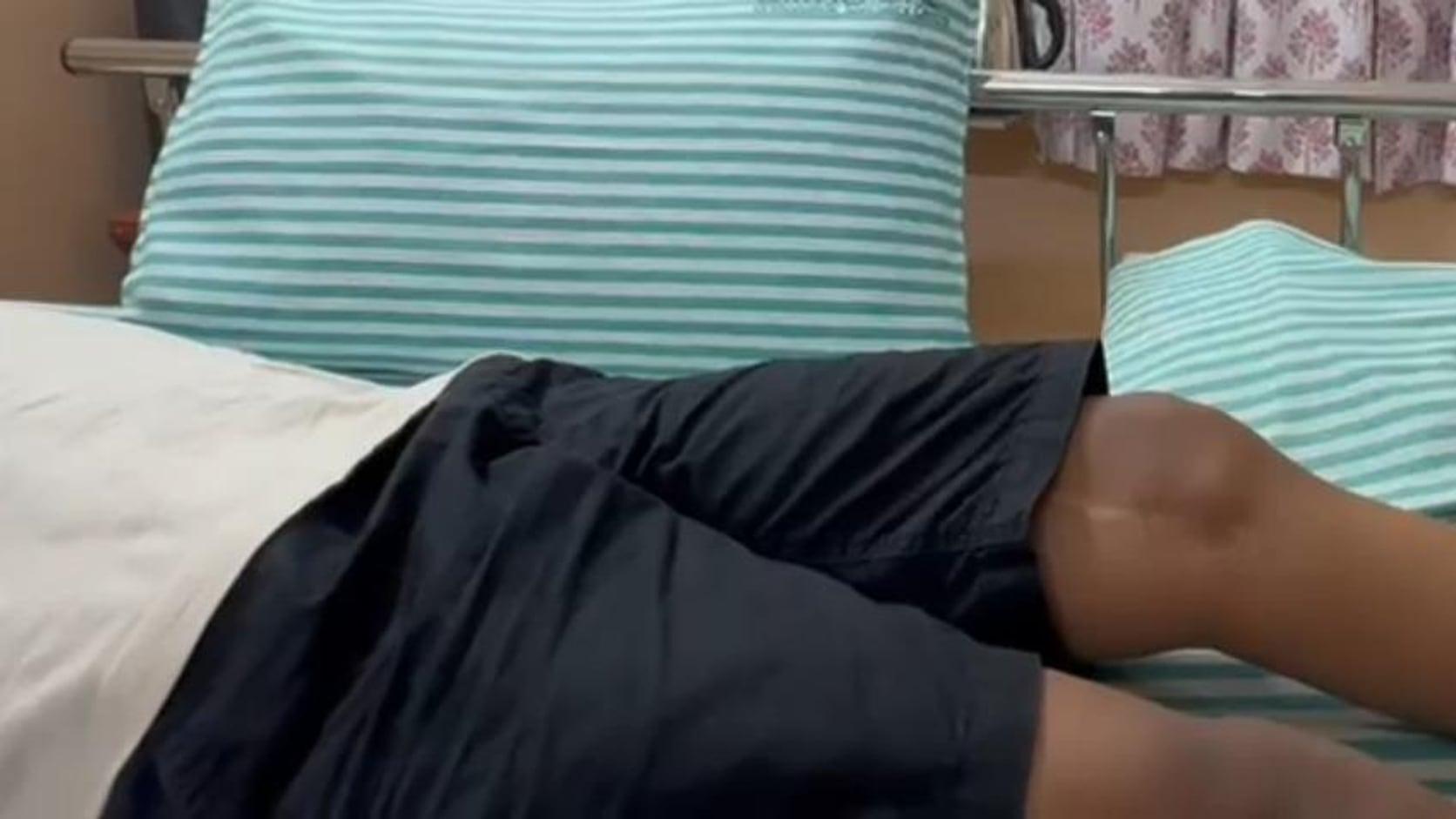
Case 1: A 9-year-old boy with a stiff knee whose journey began with a distal femur fracture, treated first with immobilisation and then with plating. There was no early physiotherapy after surgery. This caused stiffness to set in after which aggressive rehabilitation was introduced too quickly. This caused implant failure and significant internal scarring. By the time he reached us, his knee moved between just 15° and 80°. We performed an arthroscopic arthrolysis to release the scar tissue that had locked the joint. His range of motion improved to 0° to 110°. For a 9-year-old it means that he can run, play and be a kid again.
Range of movement video pre-op
Case 2: Persistent shoulder pain in a young professional athlete who came to us with pain and functional limitation after shoulder surgery performed in another centre. We identified a missed procedure: LHB ( Long Head of Biceps) subpectoral tenodesis when we conducted a detailed evaluation. We performed the revision surgery in 2023. Today, he has returned to professional sport.
If I need a revision or second surgery does it mean that the first was done badly?
Not necessarily. Most revision surgeries are needed because of a combination of biology, rehabilitation timing and biomechanics, not just surgical error. Our first step is always to understand the actual cause before we plan a revision.
Discuss with a specialist if you see these signs:
- Persistent pain that has not improved after the expected recovery period
- Stiffness that limits your normal range of motion
- Instability or weakness in the joint
- Inability to return to the activities you were doing before the injury
The goal is to see what has been done and then be precise with the revision surgery.
At Ortho-One, we identify the root cause of the persistent pain, restore normal biomechanics, ensure a stable repair and plan rehabilitation from day one. Every revision surgery starts with a a thorough evaluation and imaging.
- A detailed clinical examination, with tear pattern analysis and tissue quality assessment.
- Not every tear should be repaired. There’s a risk of failure when a repair is forced. It is important to know when and how to operate.
- Rehabilitation begins at the operating table. A care plan that includes protection, gradual progression and a timely return to activity is created even before the patient leaves surgery.
Key takeaways
- A second surgery can succeed when the cause of the first failure is properly understood.
- Several factors come together for the failure of the first surgery.
- Revision surgery is more complex because the anatomy has already been altered.
- Persistent pain, stiffness, instability or not getting back to activity are reasons to seek an evaluation.
Frequently asked questions
Does needing a second surgery mean the first one was done badly?
Not necessarily. Most revision surgeries are needed because of a combination of factors, including biology, rehabilitation timing and biomechanics, not just surgical error. Our first step is always understanding the actual cause before we plan a revision.
Is revision surgery riskier than the first surgery?
It is typically more complex. Scar tissue, altered anatomy and compromised tissue quality all make revision surgery technically demanding. That is why choosing a centre with specific experience in revision procedures matters.
How long does recovery take after revision surgery?
Recovery depends on the procedure, the patient's age and the extent of revision needed. Your orthopaedic surgeon at Ortho-One will give you a specific, phased rehabilitation plan after your evaluation.
How do I know if I need revision surgery?
You might need revision surgery if you are experiencing persistent pain that has not improved after the expected recovery period, stiffness that limits your range of motion, instability or weakness in the joint, or being unable to return to the activities you did before the injury.
Still in pain after surgery?
If you have had orthopaedic surgery and are still struggling with pain, stiffness or restricted movement, you do not have to accept that as your outcome. Get a second opinion from a centre with expertise in revision surgery.
Sources
- Sun MH, Kuo YC, Chiu CH, Ho CS, Chen AC, Chan YS, Yang CP. Comparison of return-to-sport and patient-reported outcomes between primary and revision ACL reconstruction: an updated systematic review and meta-analysis. Orthopaedic Journal of Sports Medicine. 2026. https://journals.sagepub.com/doi/10.1177/23259671261442968