She was told that she would never play again
On 27 October 1993, Sripriya, a national-level Volleyball player twisted her knee while reaching for the ball at the South Zone senior championship. The pain was unbearable and she could not walk.
A Tamil magazine told her story in May 1994. It reported that doctors had told her that she would never play again even with surgery. She knew that her future in sport was over.
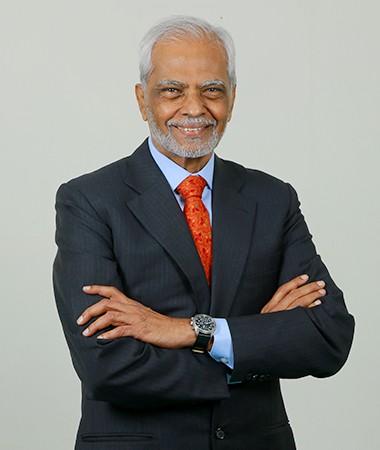
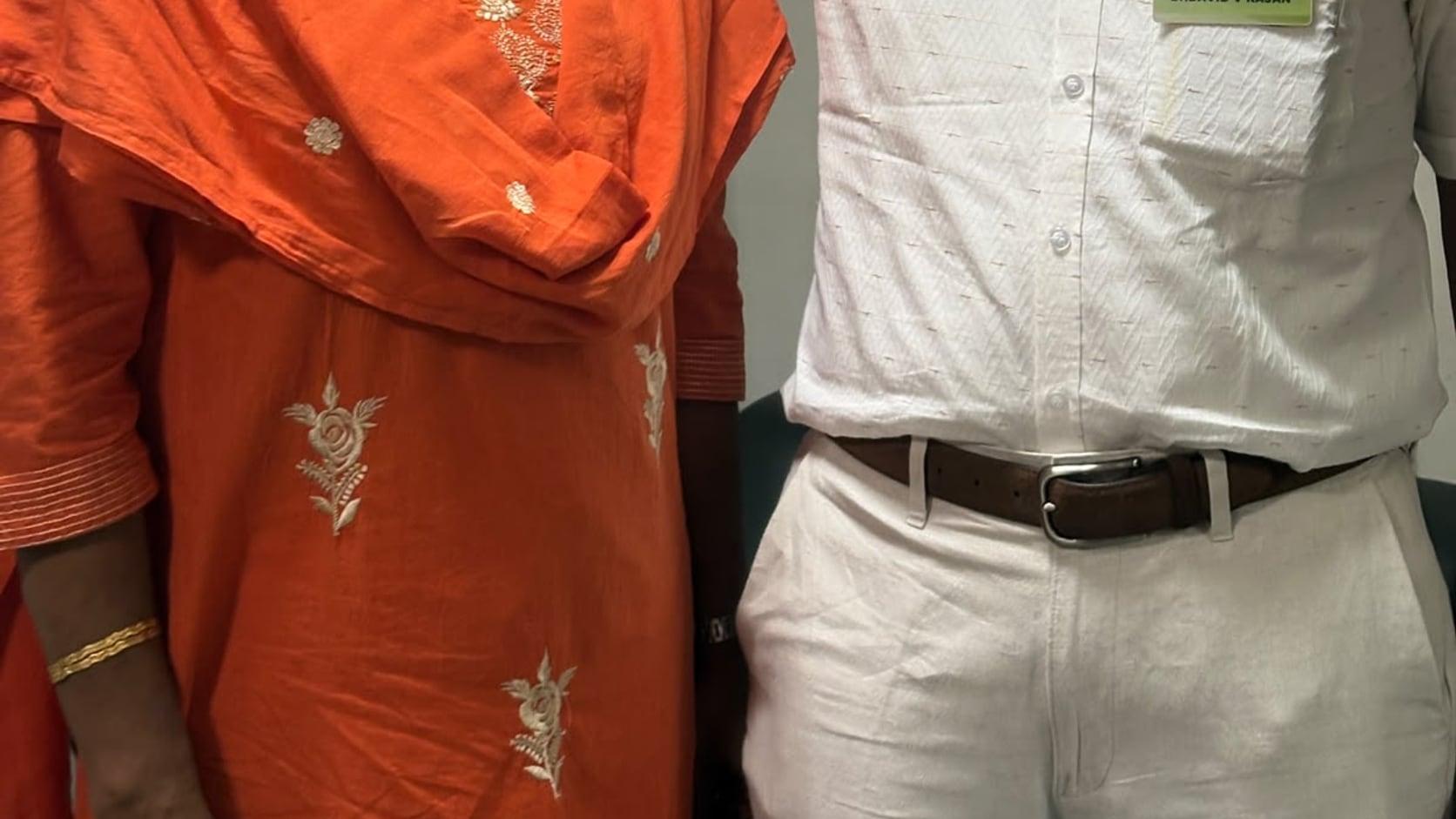
She was then referred to Dr. David V. Rajan. He found torn ligaments in her knee and treated her using arthroscopy. She rested for five months after the surgery and began competing again at All-India Volleyball tournaments in Calcutta and Pondicherry.
The magazine called it "No Operation" but arthroscopy as we know today is keyhole surgery.
The magazine headlined the article as "Without an operation... a miracle treatment for sportspersons". With over a decade of work in arthroscopy we would not describe it that way. Arthroscopy is surgery and no surgery is a 100% safe.
The magazine however reported that arthroscopy was: "a surgery done without opening the joint". Only four or five years earlier there was no proper treatment for joint injuries other than opening the joint and operating.
When is arthroscopy considered an option?
Joint injuries usually mean one of two things: a torn meniscus or a torn ligament. In the knee, the two ligaments injured most often are the anterior cruciate ligament and the medial collateral ligament.
For patients being treated for knees and shoulders arthroscopy they can expect:
- Surgery without opening the joint
- Almost no visible scar afterwards
- An early return to work
- Treatment for a joint that keeps slipping
Today, Ortho-One treats meniscus repairs, cartilage procedures and ACL reconstruction arthroscopically.
Is keyhole surgery something new?
It was new in India in the year 1994. At the time, the magazine reported that arthroscopy was done in only four Indian cities and only four orthopaedic specialists in the country were proficient in it.
Today, the Ortho-One Orthopaedic Speciality Centre, with Dr. David V. Rajan at the helm, has had 19 years of practice in arthroscopic surgeries.
The goal of arthroscopic surgery is to get people back to what they do with the least disruption to the joint
What the magazine reported in 1994 holds true today too. Joint injuries and pain are caused by intense and repeated work that the body does. Most injuries happen to sportspeople when they train and play. But, it can happen in ordinary life too when getting up after sitting at work, or slipping on stairs when the knee can twist suddenly and leave the joint unstable.
The tools used for arthroscopic surgery has changed in thirty years. The aim continues to be to treat the injury, protect the joint and get the person back to their life.
Key takeaways
- Arthroscopy is surgery done through a keyhole opening where a scope is inserted to treat the injury without opening the joint.
- It is not a miracle and it is not risk-free.
- It has been used for meniscus and ligament injuries of the knee, and for the shoulder, for more than thirty years.
- A serious knee injury did not end a sporting career in 1993 and it does not end one today, if the athlete has access to centres where they can be treated appropriately.
Frequently asked questions about arthroscopy
What is arthroscopy?
Arthroscopy is surgery done through a keyhole opening. A scope is inserted to treat the injury without opening the joint.
Is arthroscopy surgery safe?
Yes. It is done without opening the joint, but it is still surgery and no surgery is 100% safe.
Which injuries can arthroscopy treat?
Joint injuries usually mean a torn meniscus or a torn ligament. In the knee, the anterior cruciate ligament and the medial collateral ligament are injured most often. At Ortho-One, meniscus repairs, cartilage procedures and ACL reconstruction are done arthroscopically.
What causes joint injuries?
Intense and repeated work by the body. Most injuries happen to sportspeople during training and play, but they can also happen in ordinary life while getting up after sitting at work, or on the stairs, when the knee twists suddenly.
Can I go back to sport after arthroscopic surgery?
Many athletes return to sport after arthroscopic surgery. The recovery time depends on the injury and the procedure. After ACL reconstruction, a return to competitive sport typically takes 9 to 12 months, and the decision should be based on objective tests of strength and movement.
Before you give up on your sport
If a joint injury is keeping you from playing or working, have it assessed by our team at Ortho-One Orthopaedic Speciality Centre, Coimbatore.