Your VO2 max is not set in stone. It can be changed.
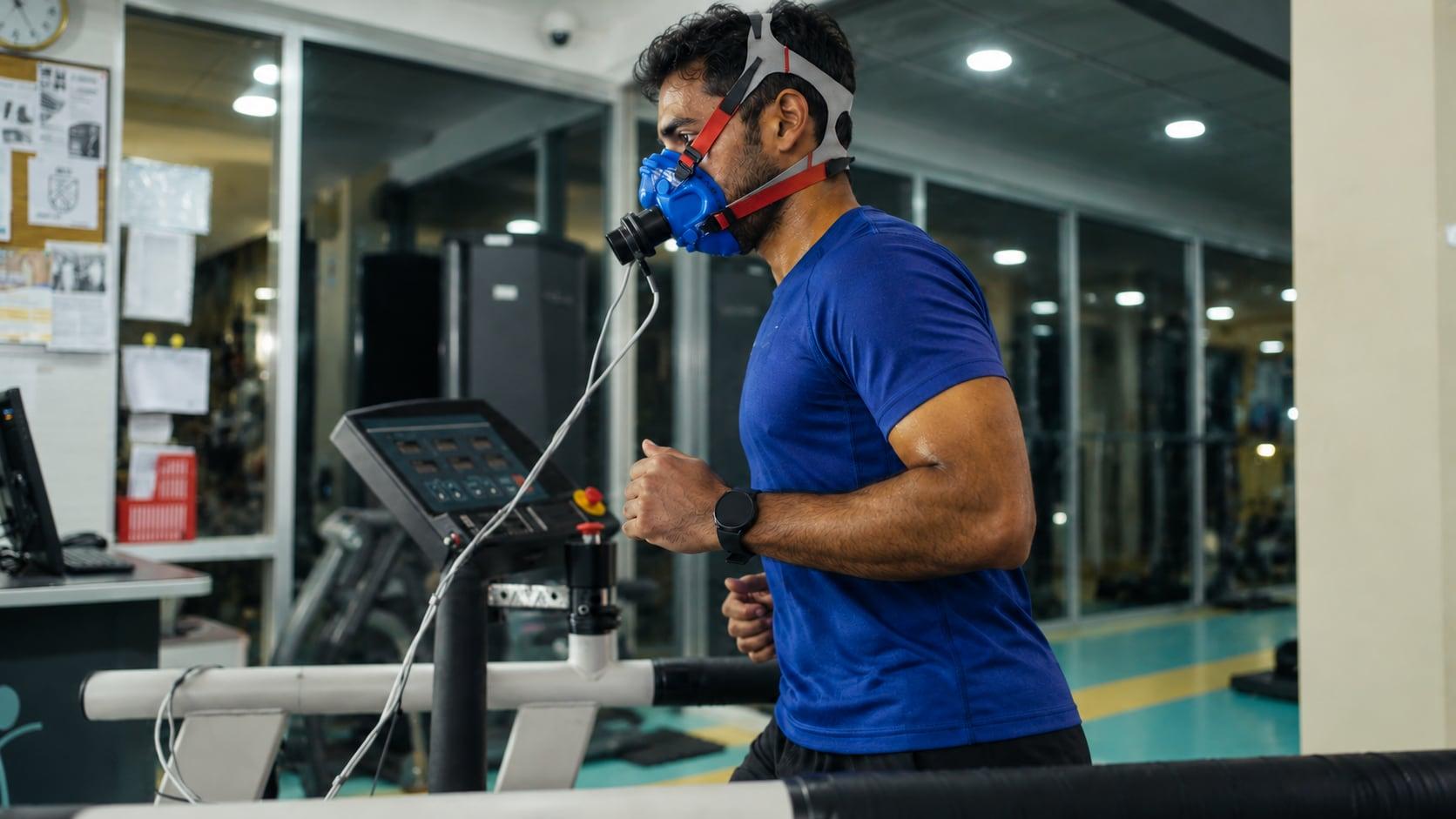
VO2 max is the maximum oxygen your body can take in and use during all-out exercise. Runners, cyclists and footballers watch it closely, and many fitness watches now estimate it.
A common belief is that VO2 max is decided by your genes so there is little point trying to change it. That isn't completely true. When you train, you can raise it by a lot. But, how much it rises differs widely from one person to the next. This figure isn't important only in sport but also in longevity. A study of more than 122,000 adults who took a treadmill test found that higher fitness was linked to lower risk of death with no upper limit seen (Mandsager et al., JAMA Network Open, 2018).
Why genetics matter and why they may not be the whole story?
Genes play a huge part in your VO2 Max levels. In the HERITAGE Family Study, 481 inactive adults from 98 families followed the same 20-week endurance programme. On average, VO2 max rose by about 400 ml per minute. Some people gained little or nothing, while others gained more than a litre per minute. Around half of that difference in response was linked to family background (Bouchard et al., 1999).
So two people on the same plan may see very different results. This is a reason to train with a plan while measuring progress and adjust training rather than copy what worked for someone else.
What are some ways to raise your VO2 max?
- Build a regular aerobic base. Commit to a steady endurance training that is done consistently over weeks. This will raise VO2 max as seen in the HERITAGE study (Bouchard et al.). Begin with endurance training before adding hard sessions.
- Add interval training. Interval training is an exercise method that alternates short bursts of high-intensity activity with periods of lower-intensity recovery or rest. Add a HIIT workout that offers short bursts of hard effort separated by recovery. A review of 37 studies in healthy adults under 45 found that 6 to 13 weeks of interval training raised VO2 max by about 0.5 litres per minute on average. Studies using longer intervals of 3 to 5 minutes showed even bigger gains (Bacon et al., PLOS One, 2013).
- If you are an athlete in training, structure what your recovery looks like. In national-level athletes, interval training raised VO2 max more than conventional training. These gains were seen when rest periods lasted at least 2 minutes and were kept easy (Ma et al., Heliyon, 2023).
Most of these studies ran for only 6 to 13 weeks so measurable change in VO2 max does not take years.
If I'm not an athlete, should I look at increasing my VO2 max?
Yes. The fitness and the longevity link seen in the treadmill study held across ages, and the benefit was clearly seen in older adults and people with high blood pressure (Mandsager et al.).
If you aren't an athlete, you need to take care when you begin hard training. The American College of Sports Medicine advises that people who are not exercising regularly and have heart, metabolic or kidney disease, or symptoms of these, should get medical clearance first. Regular exercisers who develop such symptoms should stop and see a doctor (Riebe et al., ACSM).
If you have a joint injury or pain, interval work on a bike or in water may suit you better than running.
The goal is to train smart, measure and adjust.
At Ortho One, we recommend that you raise your fitness steadily and stay injury-free than chase a number and break down. Start at a place that is ideal and comfortable for you, follow a plan that suits your body, and check whether it is working.
Before you start your next training block
Whether you are training for your first 10K or a state-level season, our sports medicine team can assess your fitness and help you plan to increase VO2 max safely.
FAQs
What is VO2 max?
VO2 max is the most oxygen your body can take in and use during maximal exercise.
Can everyone improve their VO2 max?
Most people can improve their VO2 max with training, but the amount varies a lot. In one large study, some gained little while others gained more than a litre per minute.
How long does it take to see a change?
Studies using interval training showed gains in 6 to 13 weeks.
Is interval training safe for everyone?
Interval training needs to be cleared by your sports medicine specialist if you have heart, metabolic or kidney disease, or symptoms of them.