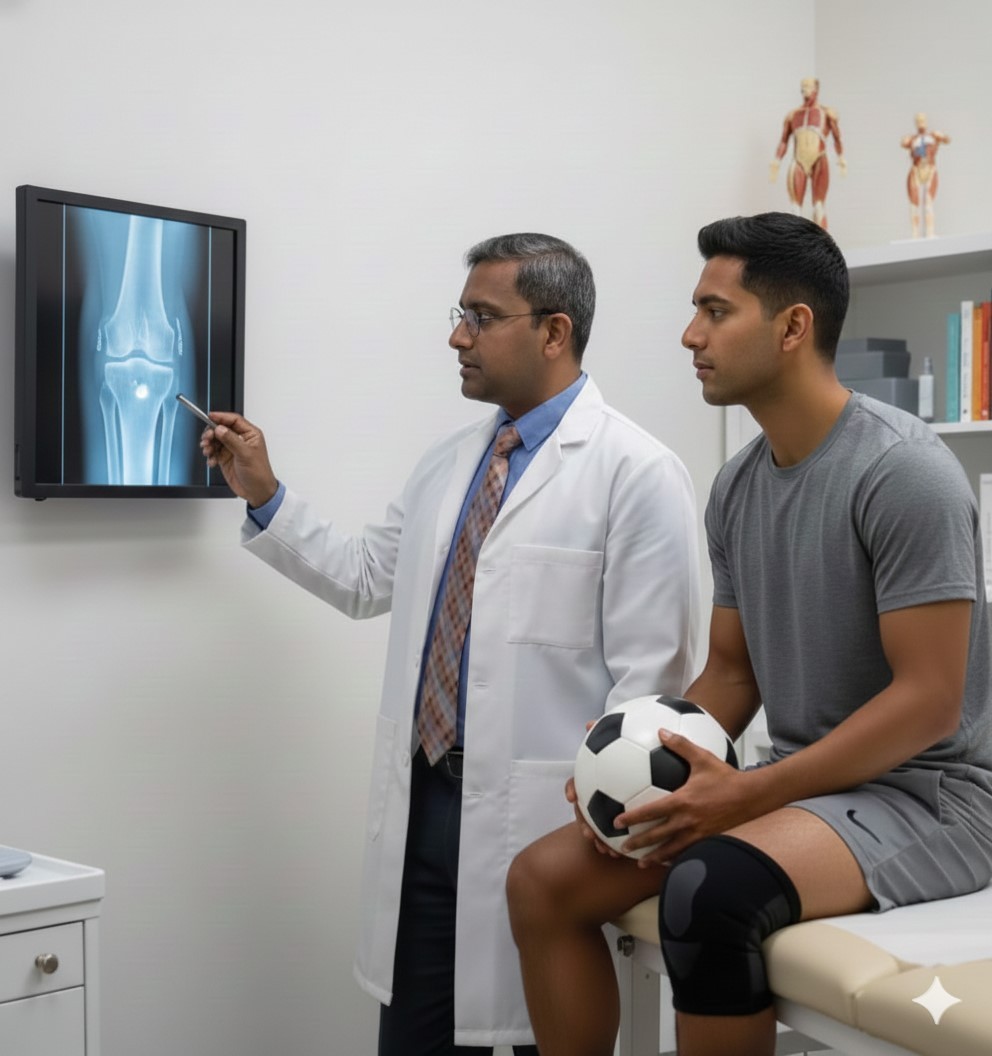
“In nearly 90% of sports injuries, active rest is the key to recovery,” remarked a decidedly sanguine Dr. David V Rajan during the Times Conversations by The Times of India, where he spoke on the evolving role of arthroscopy and rehabilitation within the context of sports medicine. An expert in orthopaedics and sports medicine, he further added, “It means keeping the non-injured parts of the body active while allowing the affected area to heal.”
Understanding Sports Injuries: Acute vs Chronic
Sports injuries fall into two main categories:
• Acute injuries – sudden occurrences due to impact, fall, or missteps such as sprains, dislocations, and fractures.
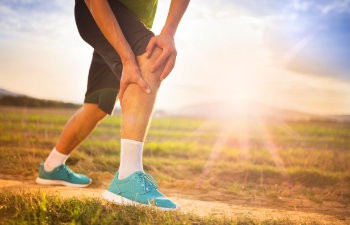
• Chronic injuries – caused by repetitive strain over time, such as tennis elbow or runner’s knee.
What Causes Sports Injuries?
Injury triggers vary:
• Acute injuries often result from high-impact actions, poor warm-up or misalignment.
• Chronic injuries develop due to repetitive stress and inadequate rest.
• Overtraining on hard surfaces or improper techniques can lead to stress fractures and ligament strain.
Early diagnosis, adequate stretching, muscle balancing, and training corrections can prevent many such injuries.
Active Rest & Rehabilitation: A Winning Formula
Dr. Rajan emphasizes the importance of:
• Rehabilitation therapy
• Icing and inflammation management
• Strength and endurance training
• Balanced nutrition and hydration
• Mental conditioning
Active rest is not about being inactive—it’s about strategic movement and recovery. It must be accompanied by positive mental imagery, proper diet, and emotional support.
The Science of Sports Medicine
Sports medicine today goes beyond just treatment:
• Advanced equipment can now detect muscular imbalances.
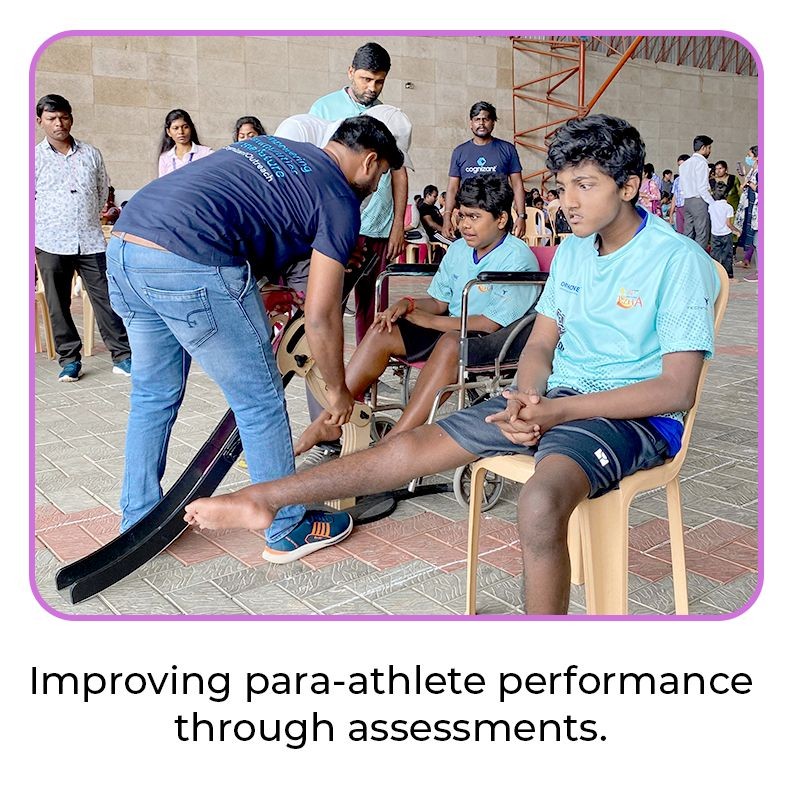
• Non-surgical doctors travel with teams and assist in everything from injuries to minor ailments.
• Sports science involves orthopaedic experts, nutritionists, sports psychologists, and physical therapists.
Importantly, only 1–2% of sports injuries require surgery. The majority can be managed with rest, rehab, and expert care.
The Support Athletes Need
“Unlike in many foreign countries, Indian athletes often lack dedicated sports medical teams,” says Dr. Rajan. He advocates for:
• In-house team physicians and therapists
• Mandatory medical presence at events (ambulance, doctors, physios)
• Upgraded training infrastructure in schools and academies
Coaches must also stay updated on sports medicine advances to avoid overtraining and to promote recovery.
When to Seek Medical Help
Early intervention is crucial. In most cases:
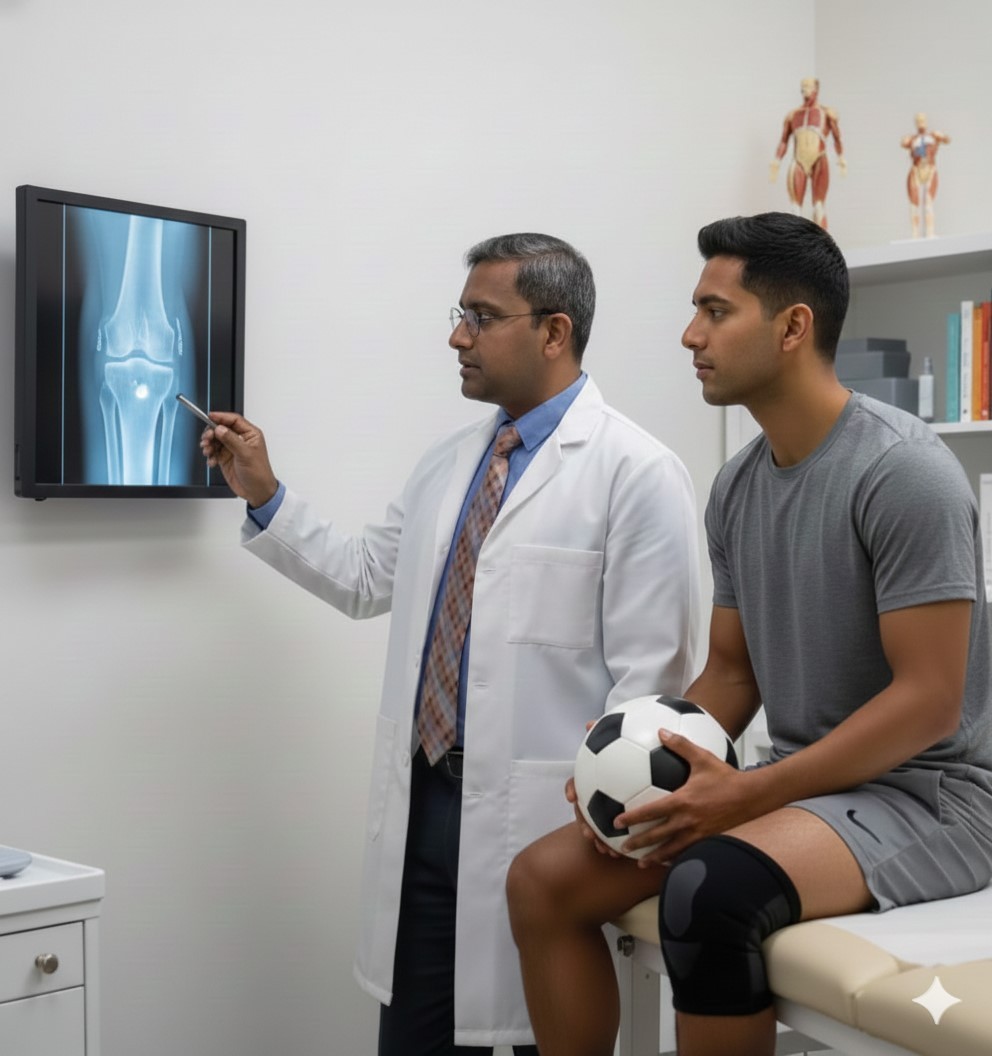
• MRI or X-rays confirm the injury type.
• If no serious damage is found, active rest with icing and physical therapy is enough.
• Only 10% of cases may need surgery or long-term intervention.
The Bigger Picture: Career & Performance
Injuries left untreated or ignored can end promising careers. “Continued play without recovery leads to performance decline,” warns Dr. Rajan. “Parents, coaches, and sports managers play key roles in monitoring and supporting the athlete.”
He adds, “Shoulder injuries, for example, are common in overhead sports due to muscle imbalance. With proper stretching and training, these can be completely avoided.”
Conclusion: Prevention is Power
Ortho-One treats athletes from across sports—kabaddi, football, cricket, athletics, and more. Common injuries such as Knee, shoulder, and shin (tibia) injuries are often preventable with effective training, rest, and infrastructure.
“Sports medicine is not just about treatment; it’s about prevention, performance, and psychological well-being,” says Dr. Rajan. With the right support, today’s athlete can recover fully, stay injury-free, and reach their peak potential.

Address
Operational Hours:
10:00 AM – 7:00 PM | Monday to Saturday
Facilities
Treatments
Quick Links



 Book an appointment
 Athletes Empowerment
 Orthopaedic Education